· BarossaRoofWorks · Commercial Roofing · 7 min read
Winery Roofing in Barossa Valley: Specialist Guide for Wine Industry
Expert guide to winery roofing requirements in Barossa Valley. From cellar door heritage to production facility specifications, we cover what wine industry buildings need.
The Barossa Valley’s wine industry demands roofing expertise that understands both the technical requirements of wine production and the heritage character that defines our region. As local roofing contractors who’ve worked with numerous Barossa wineries, we’ve developed specialist knowledge that generic roofing companies simply don’t have.
This guide covers the unique roofing considerations for wine industry buildings - from heritage cellar doors to modern production facilities.
Why Winery Roofing Requires Specialist Knowledge
Wine production is sensitive to temperature, contamination, and disruption. Your roofing contractor needs to understand:
- Temperature control requirements - Wine fermentation and storage demand stable temperatures
- Vintage timing - Roof work must avoid crush and bottling periods
- Hygiene standards - Food-grade production requires dust and debris management
- Heritage regulations - Many Barossa buildings have heritage significance
- Structural requirements - Barrel halls and tank farms have unique loading considerations
A residential roofer won’t understand why you can’t have work done in March, or why a small roof leak above the barrel hall is a crisis rather than an inconvenience.
Roofing by Building Type
Cellar Doors and Hospitality Buildings
Your cellar door is your brand’s front door. Roofing must balance:
Heritage Considerations: Many Barossa cellar doors occupy historic buildings. Roofing must:
- Use period-appropriate materials
- Maintain heritage character
- Meet SA Heritage Council requirements (if listed)
- Preserve original features where possible
Common heritage-compliant options:
- Galvanised corrugated iron (traditional profile)
- Natural slate (for premium restoration)
- Reproduction clay tiles
- Colorbond in heritage colours (Custom Orb profile)
Visitor Experience:
- Acoustic insulation to reduce rain noise
- Thermal performance for comfort
- Skylight integration for natural light
- Aesthetic appeal from both outside and interior
Case Study: Heritage Cellar Door We recently completed re-roofing for a 1890s stone cellar door building. The original corrugated iron was failing, but the building was locally heritage-listed. We used Lysaght Custom Orb in a traditional profile with heritage-sympathetic grey finish, maintaining the building’s character while providing 50+ years of weather protection.
Barrel Halls and Storage Buildings
Barrel halls require exceptional temperature stability - temperature fluctuations affect wine quality and barrel longevity.
Critical Requirements:
Insulation: Minimum R3.5 ceiling insulation, preferably R5.0+ for premium facilities. Options include:
- Bulk insulation (batts or blanket)
- Reflective insulation (for radiant heat)
- Combination systems (best performance)
Ventilation: Passive or mechanical ventilation to:
- Remove humidity
- Prevent condensation
- Maintain air quality
Roof Colour: Light-coloured roofing (Colorbond Surfmist, Classic Cream, Paperbark) reduces heat gain by up to 30% compared to dark colours.
Condensation Control: Anti-condensation treatments prevent dripping onto barrels. Options:
- Anti-con blankets under metal roofing
- Spray-applied anti-condensation coatings
- Proper ventilation design
Price Premium: Expect 20-40% higher costs for barrel hall roofing compared to standard commercial buildings, justified by the wine value protected.
Production Facilities and Tank Farms
Modern winery production buildings have industrial requirements:
Structural Considerations:
- Clear spans for tank placement
- Support for catwalks and platforms
- Allowance for future expansion
- Loading for overhead equipment
Hygiene Requirements:
- Food-safe materials
- Easy-clean surfaces
- Dust and pest exclusion
- Proper sealing at all penetrations
Equipment Integration:
- HVAC system mounting
- Glycol line penetrations
- Electrical and data conduit routes
- Exhaust fan installation
Drainage: Production areas generate washdown water. Roofing must integrate with:
- Internal drainage systems
- Stormwater management
- Winery wastewater systems
Vineyard Outbuildings
Sheds, equipment storage, and workshop buildings have simpler requirements but still benefit from quality roofing:
- Weather protection for equipment
- Secure, pest-proof construction
- Practical durability over aesthetics
- Cost-effective maintenance
Timing Roof Work Around Vintage
The wine industry calendar dictates when roof work is possible:
| Period | Suitability for Roof Work |
|---|---|
| January-February | Limited - pre-vintage prep |
| March-April | Avoid - vintage/crush |
| May-June | Avoid - pressing/fermentation |
| July-August | Ideal - quiet period |
| September-October | Good - pre-spring preparation |
| November-December | Moderate - pre-Christmas window |
Best practice: Plan roof projects 6-12 months ahead. Schedule major work for winter months when production is minimal.
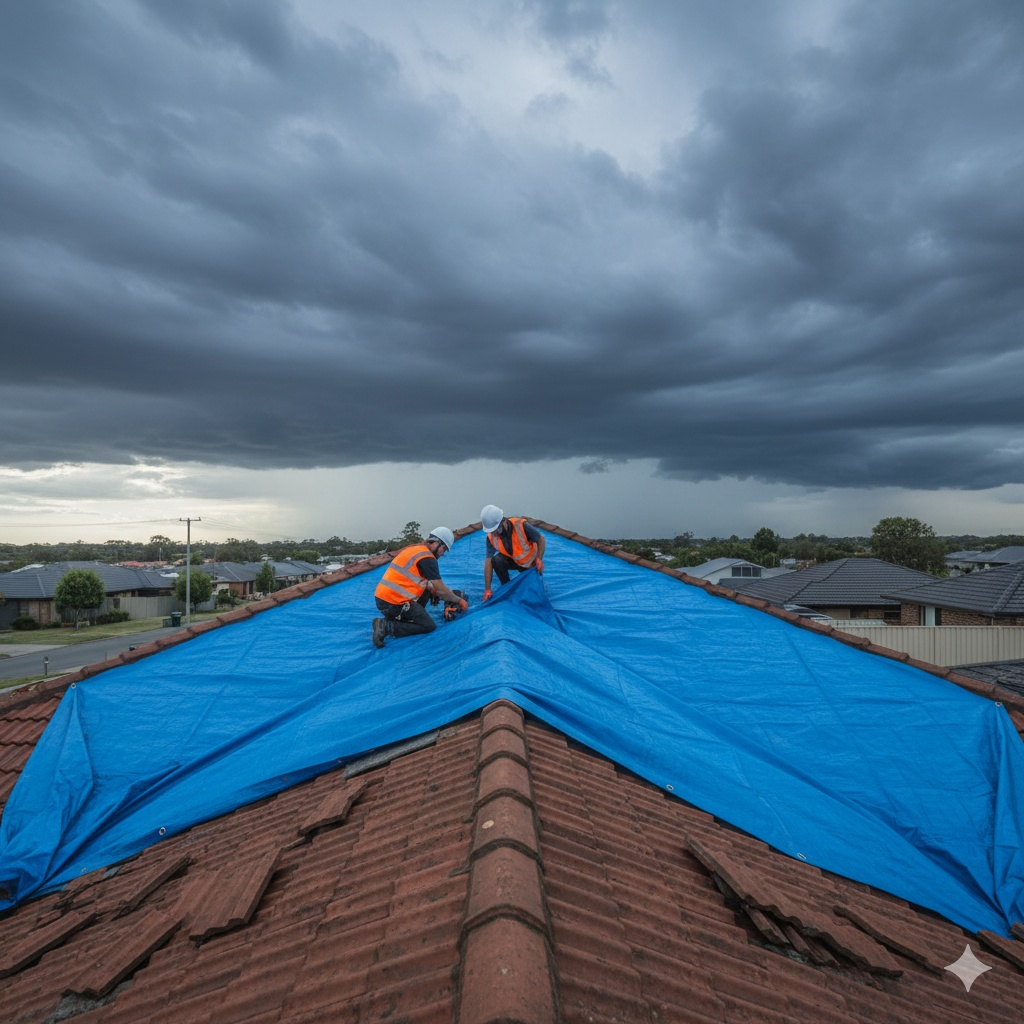
Emergency exceptions: If urgent repairs are needed during vintage, we implement strict protocols:
- Work limited to non-production hours
- Complete dust containment
- No contamination risk to wine
- Minimal disruption to operations
Heritage Compliance in the Barossa
Many Barossa winery buildings have heritage listing or contributory status:
State Heritage Listed
Requires approval from SA Heritage Council before any external work. Applications must demonstrate:
- Conservation of heritage fabric
- Appropriate materials and techniques
- Reversibility where possible
- Minimal impact on significance
Local Heritage Listed
Council development approval required. Similar requirements but local assessment.
Contributory Items
Not individually listed but contribute to heritage streetscape. More flexibility, but work should respect character.
Heritage Character Areas
No formal listing, but visual character matters. Using sympathetic materials and colours maintains neighbourhood appeal and property values.
We regularly work with heritage consultants and understand the approval pathways. This saves you time navigating bureaucracy.
Material Recommendations for Wineries
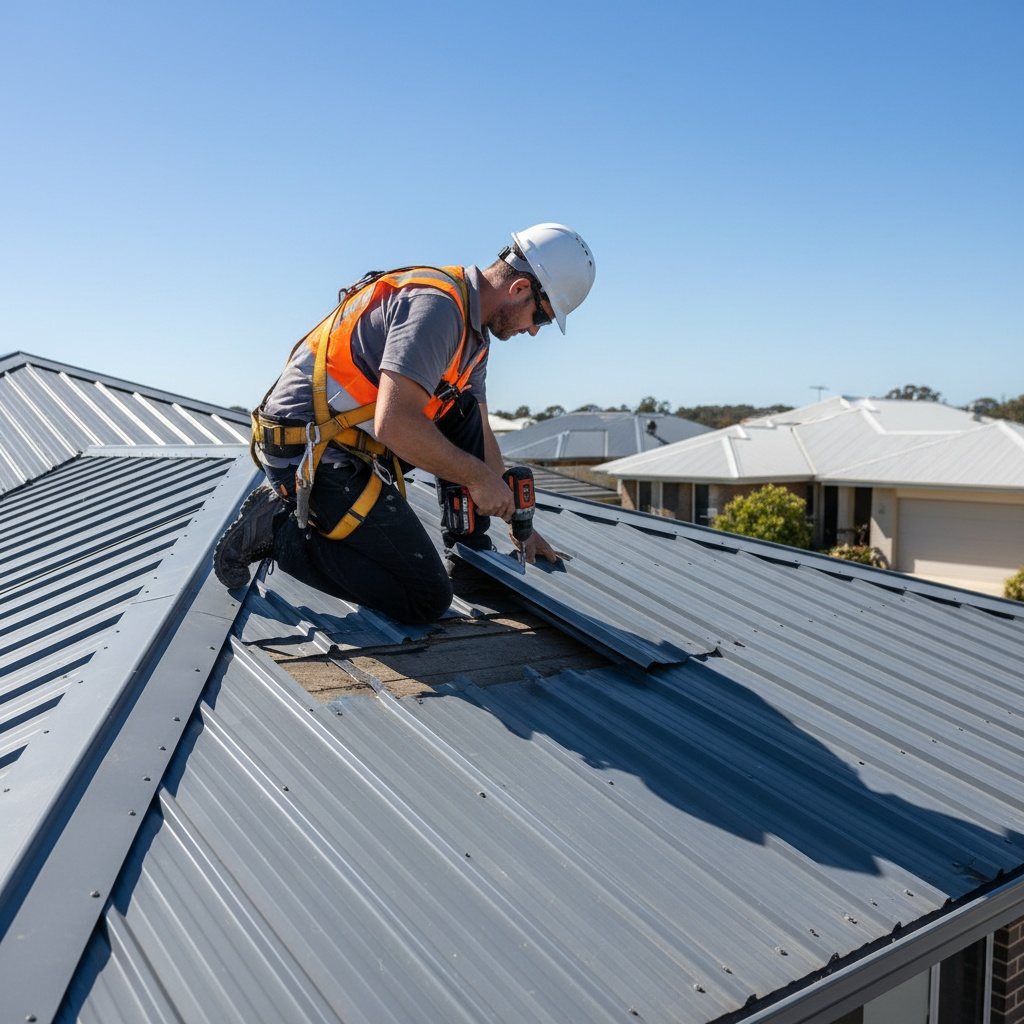
Metal Roofing (Recommended for Most Applications)
Colorbond Steel:
- 50+ year lifespan
- Extensive colour range including heritage options
- BlueScope warranty support
- Excellent for production and modern buildings
Zincalume:
- Lower cost than Colorbond
- Industrial appearance suits back-of-house
- Good for equipment sheds
Custom Orb Profile:
- Heritage-appropriate appearance
- Required for many heritage applications
- Available in Colorbond colours
Alternative Materials
Natural Slate:
- Premium heritage restoration
- Highest cost
- 100+ year lifespan
- Requires specialist installation
Terracotta/Concrete Tiles:
- Heritage residential buildings
- Good thermal mass
- Heavy - requires structural verification
Polycarbonate/Translucent Panels:
- Natural light integration
- Production viewing areas
- Retail sections of cellar doors
Insulation Specifications for Wine Storage
Temperature stability is non-negotiable for wine quality:
| Building Use | Minimum R-Value | Recommended R-Value |
|---|---|---|
| Barrel Hall | R3.5 | R5.0+ |
| Bottle Storage | R3.0 | R4.0 |
| Cellar Door | R2.5 | R3.5 |
| Production | R2.0 | R3.0 |
| General Storage | R1.5 | R2.5 |
Consider combination systems: Reflective insulation plus bulk insulation provides superior performance for critical wine storage areas.
Working With Your Winery
We understand wine industry operations and structure our work accordingly:
Pre-project:
- Site assessment during non-production hours
- Understanding your vintage calendar
- Coordination with winemaker on sensitive areas
- Heritage assessment if applicable
During project:
- Strict dust and debris control
- No contamination pathways to wine
- Minimal disruption to cellar door operations
- Daily cleanup
- Progress communication with key staff
Post-project:
- Thorough site cleanup
- Certification and warranty documentation
- Maintenance recommendations
- Photo documentation for your records
Investment Considerations
Winery roofing is an investment in wine quality:
| Building Type | Investment Range | ROI Consideration |
|---|---|---|
| Cellar Door | $30,000 - $150,000+ | Brand presentation, visitor experience |
| Barrel Hall | $50,000 - $200,000+ | Wine quality protection ($1M+ inventory) |
| Production | $40,000 - $250,000+ | Operational reliability |
| Storage Sheds | $15,000 - $60,000 | Equipment protection |
Quality roofing protects wine inventory worth far more than the roofing cost. A barrel hall might contain $500,000-$5,000,000+ in wine - proper roofing is essential risk management.
Our Winery Experience
BarossaRoofWorks has completed roofing projects for numerous Barossa Valley wineries:
- Cellar door re-roofing (heritage compliance)
- New barrel hall construction support
- Production facility expansions
- Emergency repairs during vintage (with strict protocols)
- Maintenance programs for winery estates
We understand the wine industry because we’re part of the Barossa community. Our local presence means:
- Quick response times
- Understanding of seasonal constraints
- Relationships with heritage consultants
- Knowledge of local approval processes
Discuss Your Winery Project
Whether you’re planning a major development, addressing aging roofing, or establishing a maintenance program, we’d welcome a conversation about your winery’s needs.
Contact us for a winery-specific consultation:
Request Quote | Call 08 7093 7290
We’ll visit your property, understand your requirements, and provide recommendations tailored to the wine industry’s unique demands.
Frequently Asked Questions
Can you work during vintage if absolutely necessary?
Yes, with strict protocols. We implement complete dust containment, work outside production hours where possible, and coordinate closely with your winemaker. Emergency repairs during vintage focus on weatherproofing with permanent work scheduled for quieter periods.
How do you handle heritage approval processes?
We regularly work with heritage consultants and understand both state and local heritage requirements. We can guide you through the approval process, recommend appropriate materials, and ensure work meets heritage standards. For complex projects, we can coordinate with your heritage consultant.
What’s the lead time for winery roofing projects?
Plan 3-6 months ahead for significant projects. Heritage approvals add time, as does scheduling around vintage. Emergency repairs can be accommodated faster, but planned work benefits from proper timing.
Do you provide maintenance programs for wineries?
Yes. We offer scheduled inspection and maintenance programs tailored to winery needs. This typically includes pre-vintage and post-vintage inspections, gutter maintenance, and priority response for any issues that arise.
Can you help with insulation upgrades for existing barrel halls?
Absolutely. We can assess current insulation performance, recommend improvements, and install additional insulation. This is often done as part of re-roofing, but can also be a standalone project with appropriate roof access.
What warranties do you provide for winery roofing?
We provide 10-year workmanship warranty on all installations. Material warranties vary - Colorbond offers up to 25 years, depending on environment and colour. We ensure all warranty documentation is provided and registered.